Leaving your dog behind when you travel, attend a family event, or manage a busy work schedule can be one of the hardest parts of being a pet owner. Dogs are not simply animals that need food and shelter. They are family members with individual personalities, daily routines, emotional needs, and preferences about the people and environments around them. Finding the right care arrangement can make a significant difference in how comfortably your dog handles your absence.
For many American pet owners, the decision comes down to two popular options: in-home dog sitting and boarding kennels. Both can provide responsible care when chosen carefully, but they offer different experiences. In-home dog sitting may allow a dog to maintain a familiar routine with personalized attention, while a boarding facility may provide structured supervision, dedicated animal-care staff, and opportunities for appropriate social interaction.
The best option depends on your dog’s temperament, age, health, activity level, and ability to adapt to unfamiliar surroundings. Your travel schedule, budget, and the qualifications of the available caregivers also matter. A solution that works wonderfully for a confident, social dog might be uncomfortable for a senior pet that prefers quiet surroundings or a puppy that needs frequent bathroom breaks.
This guide compares in-home dog sitting vs. boarding kennels in 2026, helping U.S. dog owners understand the advantages, disadvantages, costs, safety considerations, and practical questions to ask before making a decision.
What Is In-Home Dog Sitting?
In-home dog sitting is a pet-care arrangement in which a professional sitter looks after your dog in your own home or, depending on the service, in the sitter’s home. These arrangements are not identical, so it is important to clarify where your dog will stay and how much supervision the sitter will provide.
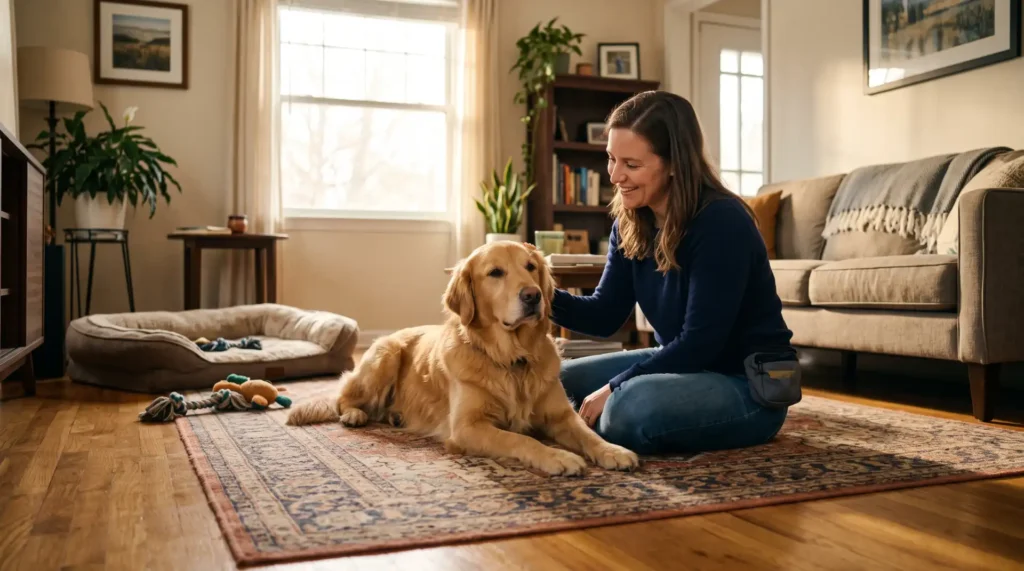
When a sitter comes to your home, your dog can usually continue sleeping in its regular bed, eating from familiar bowls, and following its established feeding, walking, and bathroom schedule. Depending on the agreement, the sitter may visit several times a day, remain for extended periods, or stay overnight.
In-home care can be especially useful for dogs that become unsettled by major environmental changes. Instead of traveling to a boarding facility, your pet remains surrounded by familiar smells, furniture, resting places, and household sounds. Maintaining those familiar elements may make the transition easier for some dogs.
A sitter can also tailor activities to the individual animal. One dog may need several short walks and medication at specific times, while another may enjoy longer walks, training games, or quiet companionship. Personalized care makes it easier to account for these differences, provided the sitter has the necessary experience and availability.
However, the phrase “in-home dog sitting” should not automatically be interpreted as continuous supervision. A sitter who visits three times daily offers a different level of care from someone who stays overnight and remains with the dog for most of the day. Before booking, confirm the actual schedule, expected periods of absence, overnight arrangements, and whether the sitter cares for other animals simultaneously.
 What Are Boarding Kennels?
Boarding kennels are facilities where dogs stay temporarily while their owners are away. Depending on the provider, these facilities may operate independently, form part of a veterinary practice, or function as larger pet resorts offering additional activities and services.
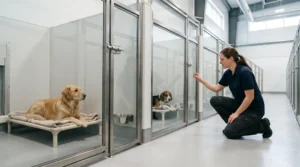
A typical boarding arrangement includes a designated sleeping space, scheduled meals, bathroom opportunities, cleaning, and staff supervision. Some facilities provide individual exercise sessions, group play, grooming, enrichment activities, or live camera access. Other kennels offer more basic accommodation, making it important to investigate the exact services included in the daily rate.
One potential advantage of boarding is the presence of staff whose work centers on caring for animals. A well-managed facility may have established procedures for cleaning, feeding, monitoring behavior, separating incompatible dogs, and responding to emergencies. Veterinary boarding facilities may also be appropriate for some pets that need additional medical oversight, although owners should confirm which treatments and monitoring services are actually available.
Boarding also introduces a different environment. Your dog may hear unfamiliar animals, encounter new smells, follow a facility schedule, and sleep in a different space. Some dogs adjust quickly and enjoy the activity, while others may become anxious, overstimulated, or less interested in food during the first part of their stay.
Not every boarding kennel offers the same level of care. Cleanliness, staff training, supervision, exercise arrangements, emergency planning, and communication policies can vary considerably. Visiting the facility and asking detailed questions is more useful than relying on photographs or advertising alone.
In-Home Dog Sitting vs. Boarding Kennels: The Main Differences
The most important difference is the environment in which your dog receives care. In-home dog sitting can preserve familiar routines and provide individualized attention, while boarding offers a dedicated facility designed to accommodate multiple animals.
Neither arrangement is automatically safer, healthier, or more comfortable for every dog. A knowledgeable sitter working in an unsuitable home may be a poor choice, just as a clean and professionally managed kennel may be an excellent option for a dog that enjoys structured activities.
1. Familiar Surroundings and Comfort
Dogs often rely on predictable routines and familiar environments. Their sleeping area, feeding location, walking route, and everyday household sounds can help them feel secure. When their owners leave, preserving these familiar elements may reduce the number of changes they must handle simultaneously.
A sitter who cares for your dog in your home can maintain many of these routines. Your pet can sleep in its usual bed, use its familiar yard, and continue following established household rules. This arrangement may be particularly appealing for anxious dogs, older pets, or animals that struggle to settle in unfamiliar places.
Boarding kennels introduce a new environment, but a well-run facility can still provide comfort through clean bedding, appropriate rest periods, familiar food, and consistent handling. Some dogs respond positively to new surroundings, particularly when they have previous experience with boarding and are comfortable around unfamiliar people.
The right question is not whether one environment is universally better. Instead, consider where your individual dog is most likely to relax, eat normally, sleep comfortably, and interact positively with its caregiver.
2. Individual Attention and Supervision
Personalized attention is one of the strongest potential benefits of dog sitting. A sitter can follow your instructions for feeding, exercise, play, and rest, adjusting the day to your pet’s needs. This can be particularly helpful when a dog needs a slower walking pace, a specific bedtime routine, or individual activities rather than group play.
However, the level of attention depends on the sitter’s schedule and client load. A sitter responsible for several dogs or making short visits to multiple homes may not provide uninterrupted supervision. Ask how many animals the sitter cares for, how long each visit lasts, and how the schedule will work while you are away.
Boarding facilities may have trained staff available throughout operating hours, but employees usually divide their attention among multiple animals and responsibilities. The amount of direct interaction depends on staffing levels, facility size, and the services purchased.
If your dog needs frequent monitoring, ask both providers to describe a normal day in detail. Find out when your dog will be alone, how often staff check sleeping areas, and what happens if your pet refuses food or shows unusual behavior.
3. Exercise, Play, and Mental Enrichment
Dogs need more than a place to sleep while their owners are away. They also need suitable physical activity, opportunities to explore, mental stimulation, and adequate rest.
An in-home sitter may be able to maintain your dog’s usual walking routes, play familiar games, and provide enrichment based on individual preferences. A dog that enjoys sniffing walks, puzzle toys, or quiet training sessions may benefit from activities chosen specifically for its temperament.
Boarding facilities vary in their exercise programs. Some offer supervised playgroups, individual walks, indoor activity areas, or scheduled enrichment sessions. These services can be useful for energetic dogs, provided the activities are appropriate for their health, behavior, and social preferences.
More activity is not always better. Puppies, senior dogs, dogs recovering from illness, and animals with mobility problems may require carefully paced exercise rather than long play sessions. A responsible caregiver should understand when a dog needs stimulation and when it needs uninterrupted rest.
Ask what exercise is included in the quoted price. Do not assume that a large outdoor area means dogs receive continuous access to it or that a boarding package includes individual walks. Similarly, confirm whether a sitter’s quoted fee includes the frequency and duration of walks your dog requires.
4. Socialization With Other Dogs
Some dogs enjoy playing with other animals and may benefit from carefully supervised social opportunities. For these pets, a boarding facility with appropriate playgroups may provide an enjoyable experience.
However, social interaction should never be treated as a requirement for every dog. Some animals prefer people, need personal space, or become stressed when unfamiliar dogs approach them. Others may have a history of reactivity or require controlled introductions.
In-home dog sitting can reduce exposure to unfamiliar dogs, especially when the sitter cares for one household at a time. This may be useful for reactive dogs or pets that become overwhelmed in busy environments.
Still, confirm whether the sitter has other animals in the home, whether client dogs ever share space, and how introductions are managed. A home-based arrangement does not automatically mean your dog will receive exclusive attention.
The ideal caregiver respects your dog’s social preferences rather than forcing interaction. If your pet enjoys other dogs, ask how play is supervised. If your dog prefers solitude, make sure the care plan accommodates that preference.
Which Option Is Better for Puppies, Adult Dogs, and Senior Pets?
Age can influence the amount of supervision, exercise, and routine a dog needs. Nevertheless, temperament and health often matter as much as the number of years a dog has lived.
Puppies Need Frequent Supervision
Puppies typically need frequent bathroom breaks, regular meals according to their age and veterinary guidance, consistent training, and close supervision. They may also be more vulnerable to infectious diseases before completing their recommended vaccination schedule.
In-home care can be convenient when a puppy is still learning household routines. A sitter may reinforce established potty-training habits, provide short play sessions, and help the puppy settle down for naps. Owners should make sure the sitter has genuine puppy-care experience and understands the household’s training approach.
Some boarding facilities accept puppies, while others impose minimum-age or vaccination requirements. Before booking, ask about these policies, the separation of puppies from unfamiliar dogs, cleaning procedures, and the availability of staff for frequent bathroom breaks.
Puppies should not be placed into group play simply to burn off energy. Their size, vaccination status, confidence, and ability to rest safely all deserve consideration.
Adult Dogs May Adapt to Either Option
Healthy adult dogs often have more established routines and may be comfortable with either a familiar sitter or a suitable boarding facility. A sociable dog that has previously attended daycare may enjoy a well-managed boarding environment, while a dog that values quiet surroundings may prefer home-based care.
Consider your dog’s past experiences rather than relying only on breed stereotypes. If your dog becomes excited when meeting new people and settles easily in unfamiliar locations, boarding may be a reasonable choice. If it becomes distressed when routines change, a sitter may be more suitable.
A short trial stay or introductory visit can help you evaluate the dog’s response before committing to a longer booking.
Senior Dogs Often Benefit From Individualized Care
Senior dogs may have mobility limitations, reduced hearing or vision, medical conditions, or a stronger need for predictable routines. Some need assistance using stairs, more frequent bathroom breaks, medication at set times, or a comfortable resting area away from excessive noise.
In-home sitting can make it easier to preserve these routines and avoid unnecessary travel. It may also help an older dog remain in an accessible environment with familiar bedding and established walking paths.
However, boarding can still be appropriate when a facility has suitable accommodations and can reliably meet the dog’s needs. A veterinary boarding service may be worth considering if the dog requires care beyond the abilities of an ordinary pet sitter.
Discuss any chronic conditions, medication schedules, mobility concerns, and emergency procedures before booking. Your veterinarian can help determine which arrangement is appropriate for your dog’s health.
What About Dogs With Separation Anxiety?
Separation anxiety deserves special consideration because the wrong care arrangement may increase distress. Dogs experiencing separation-related problems can show behaviors such as persistent vocalization, pacing, destructive activity, attempts to escape, or toileting indoors when left alone.
A familiar home and a trusted sitter may help some dogs feel more secure. Consistent companionship can also reduce the amount of time a dog spends alone, depending on the agreed schedule.
However, a pet sitter is not a guaranteed treatment for separation anxiety. Some dogs remain distressed even when another person is present, and others may react strongly to an owner leaving regardless of the location. Dogs with significant anxiety may need a behavior plan developed with a veterinarian or qualified behavior professional.
Boarding facilities can be difficult for dogs that are sensitive to noise, unfamiliar people, or changes in routine, although individual dogs may adjust successfully. Before choosing a facility, explain your dog’s behavior and ask how staff respond to persistent distress, refusal to eat, or attempts to escape.
For more information about preparing your dog for care while you travel, read Meg’s Dog Sitting guide, Going on Vacation? How to Prepare Your Dog for a Pet Sitter While You Travel. It covers routines, behavioral information, emergency contacts, and practical preparation steps.
Comparing the Costs of In-Home Dog Sitting and Boarding
Price is an important factor, particularly when you need care for several days or weeks. However, comparing a single advertised daily rate can be misleading because providers may include different services.
In-home dog sitting may be charged by the visit, by the hour, by the day, or by the overnight stay. A short drop-in visit is generally a different service from extended daytime care or overnight supervision. Additional dogs, medication administration, holidays, extended travel time, and last-minute bookings may affect the final price.
Boarding facilities often charge by the night or day, with separate fees for add-on services. These may include individual walks, special feeding arrangements, grooming, transportation, or additional play sessions. Some facilities have holiday surcharges or different rates for multiple dogs.
Because rates vary significantly by city, season, and service level, request current written quotes instead of relying on a national average. A quote should explain exactly what is included and whether taxes, deposits, cancellation fees, or extra services apply.
How to Compare the Real Cost
Imagine that you need care for five nights. One sitter offers a basic overnight package, while another charges separately for daytime visits. A boarding facility advertises a lower nightly rate but charges extra for individual walks and medication administration.
The lowest headline price may not represent the lowest cost for the care your dog actually needs. Compare equivalent services, including the number of bathroom breaks, exercise sessions, overnight supervision, feeding, medication support, and communication.
Also consider indirect expenses. Boarding may require transportation to and from the facility, while an in-home sitter may charge a travel fee. If your dog is staying in the sitter’s home, ask whether transportation, supplies, or extended care incur additional costs.
Avoid selecting a provider based on price alone. A clear agreement, appropriate supervision, emergency planning, and a caregiver who can meet your dog’s needs are essential parts of the value you receive.
Health, Hygiene, and Safety Considerations
Safety should be a central part of the decision, whether your dog stays at home or in a boarding facility. Both arrangements require responsible handling, clean surroundings, secure doors and gates, reliable identification, and a clear response plan for emergencies.
Vaccination and Infectious Disease Prevention
Boarding facilities bring dogs from different households into a shared environment. Depending on the facility and its policies, this may increase opportunities for infectious diseases to spread. Ask which vaccinations and health records are required, how animals are grouped, how common areas are cleaned, and what happens if a dog develops symptoms.
The American Veterinary Medical Association provides useful guidance on pet health and travel preparation. Before boarding, review its Thanksgiving Pet Safety and Travel Guidance, which includes advice about protecting pets during travel and checking vaccination needs before boarding.
In-home sitting may reduce contact with unfamiliar dogs, but it does not eliminate all health risks. Dogs can still encounter infectious agents outdoors, during walks, or through contact with other animals. Ask whether the sitter cares for multiple pets and how they handle shared equipment and supplies.
Your veterinarian can advise which vaccinations and parasite-prevention measures are appropriate for your dog’s health, lifestyle, and location. Requirements may vary by provider and jurisdiction, so confirm the current rules before your reservation.
Home Security and Facility Safety
When a sitter enters your home, discuss keys, alarm systems, access codes, visitor policies, and which rooms the dog may enter. Store household chemicals, medications, and potentially toxic foods securely, and make sure gates and doors cannot be opened accidentally.
For boarding facilities, inspect the condition of fences, gates, sleeping spaces, ventilation, and outdoor areas. Ask how staff prevent escapes and how dogs are supervised during transfers between rooms and exercise areas. If possible, visit in person before making a reservation.
Do not overlook temperature control. Dogs need a safe environment during hot summer weather and cold winter conditions. Ask how the provider manages extreme temperatures, power outages, severe weather, and other local emergencies.
Medication and Medical Emergencies
If your dog takes medication, confirm that the caregiver is willing and qualified to administer it. Provide written instructions, the medication’s original packaging where practical, and the prescribing veterinarian’s contact details.
Ask what happens if your dog refuses medication, vomits after receiving it, becomes injured, or develops unusual symptoms. Establish who can authorize treatment, which veterinary clinic should be contacted, and how expenses will be handled.
A responsible provider should never promise that emergencies cannot happen. Instead, the provider should explain a practical plan for recognizing problems, contacting you, and obtaining veterinary assistance promptly.
 How Much Personal Attention Will Your Dog Receive?
Personal attention is often a deciding factor for owners comparing dog sitting and boarding. Yet the type of arrangement alone does not determine how much attention an individual dog receives.
A sitter who works exclusively with one dog may have more flexibility to follow its preferences and respond to changes in behavior. If your dog enjoys calm companionship, the sitter can spend time nearby without requiring constant activity. If your dog is energetic, the schedule may include walks, play, and enrichment suited to its abilities.
Some boarding facilities also provide excellent individualized care, especially when they offer one-on-one exercise sessions, private accommodation, or specialized services. The important question is how those services operate in practice and whether they are included in the quoted rate.
Ask each provider to describe a typical day, including feeding, exercise, bathroom breaks, rest periods, and the time when staff or sitters may be unavailable. Find out how updates are delivered and whether you will be notified promptly about changes in eating, behavior, or health.
For a closer look at the experience of staying with a sitter, visit What to Expect During Your Dog’s Stay with a Pet Sitter. Understanding the routine ahead of time can help you decide whether a particular arrangement matches your expectations.
How to Choose a Reliable Dog Sitter
If in-home care appears suitable, take time to evaluate the person who will be responsible for your dog. A friendly conversation is useful, but you should also ask about practical experience, safety procedures, availability, and backup arrangements.
Start with a meet-and-greet. Observe how the sitter approaches your dog, responds to its body language, and handles introductions. A responsible caregiver should be willing to discuss your dog’s habits, health, training, and behavioral concerns rather than treating every dog the same way.
Ask for references or reviews from previous clients, and verify relevant experience with dogs of similar age, size, temperament, and medical needs. If your dog requires specialized care, ask about the sitter’s training and the limits of the services they can safely provide.
You should also discuss liability coverage, contracts, cancellation policies, transportation, emergency authorization, and what happens if the sitter becomes unavailable. Not every sitter offers identical insurance or credentials, so ask specific questions and verify any claims that matter to your decision.
For a useful list of questions to bring to a consultation, read The Top 5 Questions to Ask a Dog Sitter Before Booking. The article can help you evaluate experience, routines, safety, emergency response, and references before you commit.
How to Choose a Good Boarding Kennel
If you are considering boarding, visit the facility before booking whenever possible. A tour allows you to see the environment, ask questions, and assess whether the setup appears appropriate for your dog.
Pay attention to cleanliness, ventilation, secure entry points, the condition of sleeping areas, and the way staff interact with the animals. Dogs should have access to appropriate rest and exercise, and the facility should have a clear policy for separating animals that are incompatible or uncomfortable around one another.
Ask about staffing during evenings, overnight periods, weekends, and holidays. A facility may be open for drop-off and pickup without having the same staffing level at every hour. Confirm who monitors the dogs outside normal business hours and what happens if a dog becomes ill overnight.
Review the facility’s vaccination requirements, emergency procedures, feeding arrangements, medication policies, and communication options. If group play is offered, ask how dogs are screened and matched, how play is supervised, and whether individual activities are available for dogs that do not enjoy group settings.
Before a long stay, consider a short introductory visit or trial boarding session if the facility offers one. This may help you observe how your dog responds and gives you an opportunity to discuss any concerns with the staff.
Preparing Your Dog for Either Arrangement
Preparation can make a major difference regardless of which care option you choose. Begin planning early, especially around Thanksgiving, Christmas, summer vacations, and other busy travel periods when reliable providers may have limited availability.
Give the caregiver a written profile that includes your dog’s normal feeding schedule, food portions, bathroom habits, walking needs, favorite activities, sleep arrangements, and behavioral preferences. Include relevant medical information, allergies, medications, your veterinarian’s contact details, and emergency authorization instructions.
Provide enough of your dog’s regular food to cover the entire stay, with some extra if travel delays are possible. Sudden diet changes can upset a dog’s digestive system, so explain whether treats are permitted and which foods should be avoided.
Familiar items may help your dog settle, depending on the provider’s policies. A favorite blanket, safe toy, or familiar bed can provide comfort, but avoid bringing items that could be damaged or create a choking hazard. Ask the sitter or facility what belongings are permitted.
Make sure your dog wears suitable identification and that your contact information is current. Confirm that the caregiver has your travel itinerary, a reliable way to reach you, and the details of a backup contact who can make decisions if you cannot be reached.
If possible, introduce the dog to the caregiver or facility before the actual stay. A short meeting, trial visit, or gradual introduction may help identify concerns while there is still time to adjust the plan.
Common Mistakes Dog Owners Should Avoid
One common mistake is booking at the last minute without evaluating the caregiver. Availability alone does not prove that a sitter or facility is suitable. Start your search early and allow time to ask questions, verify references, review policies, and arrange a trial stay.
Another mistake is withholding information about behavioral or medical concerns. Owners may worry that disclosing separation anxiety, medication needs, reactivity, or house-training difficulties will make care harder to arrange. However, the caregiver needs accurate information to decide whether the dog’s needs can be met safely.
Do not assume that a dog will automatically enjoy boarding because it is friendly at the dog park. Group play, unfamiliar sleeping arrangements, and prolonged exposure to other animals are different experiences. Likewise, do not assume that every dog will prefer home-based sitting simply because it is familiar with its own home.
Avoid choosing a provider based exclusively on online photographs or a low price. Confirm the actual environment, supervision arrangements, service inclusions, emergency procedures, and communication expectations.
Finally, do not forget to plan for unexpected delays. Flights can be canceled, road conditions can change, and work obligations can last longer than expected. Ask whether the provider can extend the stay and what charges or notice requirements apply.
 Is In-Home Dog Sitting Better Than Boarding for Long Trips?
The length of your trip can affect the decision, but it does not determine the answer on its own. A two-week stay may work well with a trusted sitter who has the availability to maintain a consistent routine, while another dog may be comfortable in a professionally managed boarding facility for the same period.
For extended in-home care, verify the sitter’s schedule, backup arrangements, and ability to manage household responsibilities alongside pet care. If the sitter will stay in your home, agree on access, overnight expectations, visitors, and any household rules in writing.
For extended boarding, ask how the facility monitors changes in appetite, behavior, weight, and general condition over time. Confirm whether the same team will care for your dog throughout the stay and whether you can receive regular updates.
Long trips also make contingency planning especially important. Provide an alternate contact, confirm payment arrangements for emergency veterinary treatment, and ensure that the caregiver can reach you across time zones if necessary.
Whichever arrangement you choose, consistency and communication become increasingly valuable when your absence lasts more than a few days.
A Practical Decision Guide for U.S. Dog Owners
In-home dog sitting may be the better fit if your dog becomes anxious in unfamiliar places, needs a highly individualized schedule, prefers quiet surroundings, or benefits from remaining in its established environment. It may also be useful when you want to preserve familiar feeding and sleeping routines.
Boarding may be the better fit if your dog adapts comfortably to new environments, enjoys suitable supervised activities, and would benefit from a facility with reliable staffing and structured care. It may also be appropriate when a provider offers specialized accommodations that are difficult to arrange at home.
For dogs with complex medical needs, severe anxiety, or significant behavioral challenges, the decision may require advice from a veterinarian or qualified behavior professional. Some pets need more support than a standard sitter or ordinary boarding facility can provide.
Before making your final decision, compare the following practical factors: your dog’s comfort with unfamiliar environments, the level of supervision required, exercise and enrichment needs, medical requirements, provider qualifications, total cost, and emergency preparedness.
The goal is not to choose the option that sounds best in general. It is to find the caregiver and environment that can reliably meet your dog’s specific needs.
Frequently Asked Questions
Is in-home dog sitting less stressful than boarding?
It can be less stressful for dogs that feel secure in familiar surroundings and struggle with changes in routine. However, the result depends on the dog’s temperament and the sitter’s quality of care. Some dogs adapt easily to boarding and enjoy the activities offered by a good facility.
Is boarding safe for dogs?
Boarding can be a safe option when the facility is clean, properly managed, secure, and equipped to meet the dog’s needs. Ask about vaccination requirements, supervision, sanitation, staffing, and emergency procedures before booking. No care arrangement is entirely risk-free.
Should I choose a sitter for a dog with separation anxiety?
A sitter may help by providing companionship and maintaining familiar routines, but severe separation anxiety may require professional behavioral support. Discuss your dog’s symptoms with a veterinarian and make sure the caregiver understands how to respond to distress.
Is in-home dog sitting more expensive than boarding?
Not necessarily. Pricing varies by location, length of stay, supervision level, and included services. Compare complete written quotes rather than basic advertised rates, paying particular attention to overnight care, walks, medication administration, and holiday fees.
How early should I book dog care for a vacation?
Book as early as practical, especially during busy travel seasons. Several weeks of advance planning can give you time to meet the caregiver, confirm requirements, and arrange a trial visit. Popular sitters and boarding facilities may fill their schedules well before major holidays.
Can a senior dog stay at a boarding kennel?
Yes, if the facility can safely accommodate the dog’s health, mobility, medication, and comfort needs. Some senior dogs do better with individualized care in a familiar home, while others may benefit from specialized veterinary boarding. Consult your veterinarian when medical concerns affect the decision.
Final Thoughts: Choosing the Best Care for Your Dog in 2026
Choosing between in-home dog sitting and boarding kennels is ultimately about finding the right match for your dog’s personality, routine, health, and comfort. In-home sitting can preserve familiar surroundings and allow for individualized attention, while a quality boarding facility can provide structured care, trained staff, and appropriate enrichment opportunities.
Neither option is automatically the best choice for every dog. The quality of the caregiver, the level of supervision, and the ability to meet your dog’s individual needs are more important than the label attached to the service.
Take time to visit providers, ask detailed questions, compare complete prices, and explain your dog’s habits honestly. A short introductory visit or trial stay can help you make a more confident decision before a longer absence.
At Meg’s Dog Sitting, personalized care, familiar routines, and a comfortable environment are central considerations when planning for a pet’s time away from its owner. Whether you need help for a vacation, an overnight trip, or a busy week, planning ahead can make the experience more manageable for both you and your dog.
Your dog depends on you to make a thoughtful choice. By prioritizing safety, comfort, communication, and individual needs, you can travel with greater peace of mind knowing that your companion is receiving appropriate care while you are away.