The excitement of planning a vacation can quickly turn into worry when you think about leaving your four-legged family member behind. Whether you are heading to the beach for a week or flying across the country for a family reunion, the question remains the same — how do you ensure your dog is happy, safe, and well cared for while you are away?
The answer lies in preparation. Taking time to properly prepare your dog for a pet sitter can make the difference between a stressful experience and a smooth, worry-free trip for everyone involved. In this comprehensive guide, we will walk you through everything you need to do before your vacation to set your dog — and your pet sitter — up for success.
Why Preparation Matters for Your Dog
Dogs are creatures of habit. They thrive on routine, familiar faces, and predictable environments. When their primary caregiver suddenly disappears for days or weeks, it can trigger confusion, anxiety, and behavioral changes. However, with thoughtful preparation, you can minimize these disruptions and help your dog feel secure even in your absence.
Proper preparation also benefits your pet sitter. When caregivers have all the information they need — from feeding schedules to emergency contacts — they can provide better care and handle unexpected situations with confidence. This translates to peace of mind for you while you are enjoying your trip.
Start Early: Booking and Meeting Your Pet Sitter
The preparation process should begin well before your departure date. Ideally, start looking for a pet sitter at least two to four weeks before your trip, especially during peak travel seasons like summer and the holidays when pet-friendly accommodations and services fill up quickly.
Schedule a Meet and Greet
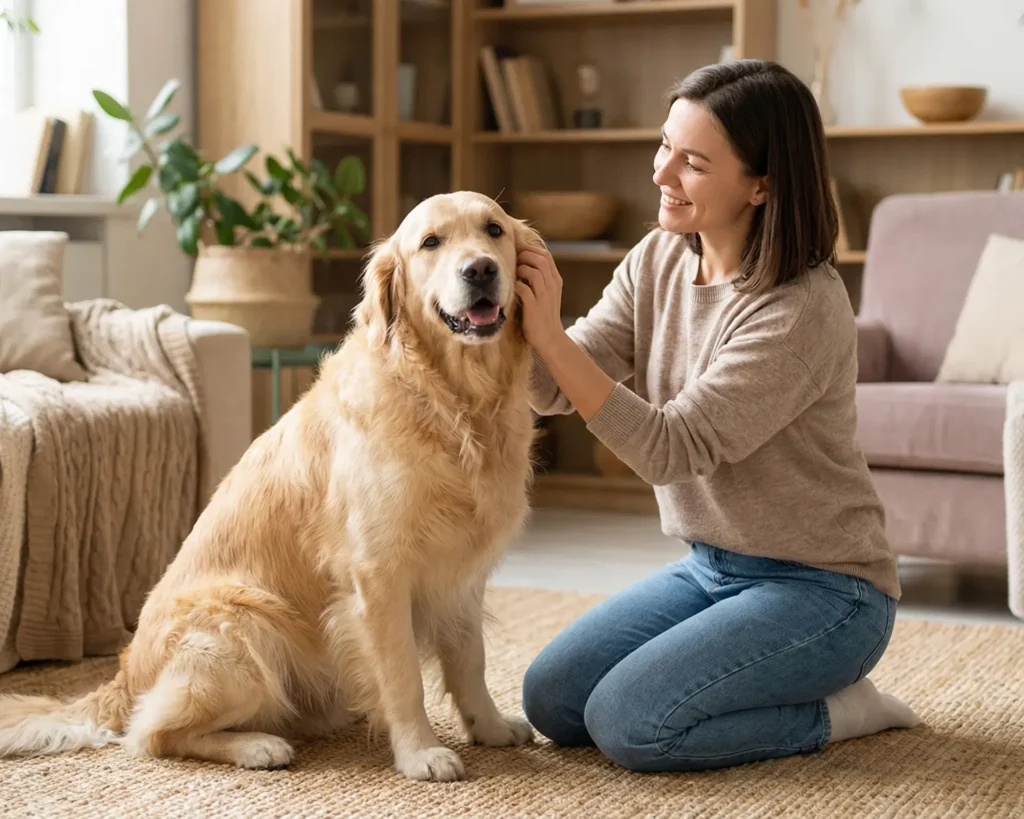
Never skip the meet and greet. This initial meeting allows your dog to become familiar with the person who will be caring for them. During this visit, observe how the sitter interacts with your dog. Do they get down to your dog’s level? Are they patient and gentle? Does your dog seem comfortable around them?
A good pet sitter will use this time to ask questions about your dog’s personality, preferences, and any special needs. They should seem genuinely interested in getting to know your pet rather than just going through the motions.
Consider a Trial Run
If time permits, schedule a short trial visit before your actual trip. Have the sitter come over for a few hours or even do an overnight stay while you are nearby. This gives your dog a chance to experience the routine without the added stress of your extended absence. It also helps you identify any potential issues before they become problems during your vacation.
Creating a Detailed Information Sheet
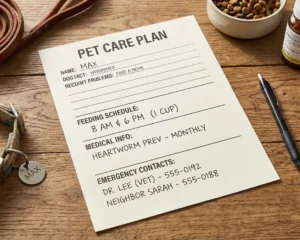
One of the most important steps in preparing your dog for a pet sitter is creating a comprehensive information sheet. This document should serve as a complete guide to your dog’s daily life and needs.
Daily Routine Details
Write out your dog’s typical day from morning to night. Include specific times for:
Feeding schedule: Note exact times, portion sizes, and the brand of food your dog eats. Mention any pre-meal rituals, like making your dog sit before eating, and whether they eat in a specific location.
Bathroom breaks: Indicate how often your dog needs to go outside and any signals they give when they need to go. Some dogs scratch at the door, while others might stand by their leash.
Exercise requirements: Specify the length and intensity of walks your dog needs. Does your dog prefer a brisk morning jog or a leisurely evening stroll? Are there favorite routes or parks they enjoy?
Bedtime routine: Describe where your dog sleeps and any nighttime habits. Do they need a final bathroom break at 10 PM? Do they sleep with a specific blanket or toy?
Medical Information
Create a separate section for health-related details. Include your veterinarian’s name, address, and phone number, along with the nearest emergency animal hospital. If your dog takes any medications, provide clear written instructions including dosage, timing, and administration method.
List any allergies, chronic conditions, or recent health concerns. Even if your dog is perfectly healthy, note the date of their last veterinary visit and vaccination records.
Behavioral Notes
Be honest about your dog’s quirks and challenges. Does your dog get anxious during thunderstorms? Are they reactive toward other dogs on walks? Do they have a tendency to bolt out open doors? This information helps your pet sitter keep your dog safe and reduce stress during their stay.
Preparing Your Home for the Pet Sitter

Your home should be pet-sitter-ready before you leave. This means organizing supplies, securing hazards, and making the sitter’s job as easy as possible.
Organize Supplies in One Location
Gather all of your dog’s essentials in one easily accessible spot. This should include:
Food and treats with clear labeling on portions. Extra bags of food in case they run low. Leashes, collars, and harnesses. Waste bags for walks. Favorite toys and comfort items. Grooming supplies if needed during your absence. Any medications with written instructions attached.
Secure Your Home
Walk through your home and look for potential hazards. Secure trash cans that your dog might raid. Put away any toxic foods like chocolate, grapes, or xylitol-containing products. Make sure cleaning supplies and medications are stored safely out of reach.
If there are rooms you want to keep off-limits, install baby gates or close doors. Show your pet sitter which areas are accessible and which should remain closed.
Prepare for Emergencies
Leave a signed authorization form allowing your pet sitter to seek veterinary care on your behalf if needed. Include your credit card information or prepay at your vet’s office to cover potential emergency expenses. This removes any hesitation the sitter might have about getting your dog immediate medical attention.
Addressing Separation Anxiety
If your dog struggles with separation anxiety, extra preparation is essential. Dogs with this condition may bark excessively, destroy furniture, or have accidents when their owners leave. A professional pet sitter can actually help alleviate these symptoms by providing companionship and maintaining routine.
Gradual Desensitization
In the weeks leading up to your trip, practice leaving your dog for short periods. Start with just a few minutes and gradually increase the duration. This helps your dog learn that departures are temporary and that you always return.
Comfort Items and Calming Aids
Leave items that smell like you — an old t-shirt or pillowcase — to provide comfort in your absence. Consider calming aids like pheromone diffusers, anxiety wraps, or calming treats. Discuss these options with your veterinarian before your trip.
Communicate with Your Sitter
Make sure your pet sitter understands the signs of anxiety in your dog and knows how to respond. Provide specific instructions on what helps calm your dog — whether that is gentle music, a Kong filled with peanut butter, or simply sitting quietly nearby.
The Day Before You Leave
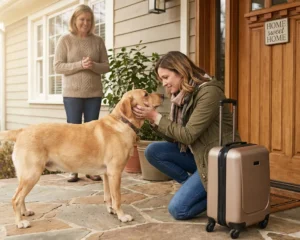
The final 24 hours before departure are crucial for setting the right tone. Use this time to complete last-minute preparations and help your dog transition smoothly.
Final Walkthrough with Your Pet Sitter
Schedule a brief meeting with your sitter to do a final walkthrough. Show them where everything is located, demonstrate how to use any pet technology like automatic feeders, and answer any remaining questions. This is also a good time to exchange contact information and establish how often you would like updates.
Maintain Normal Routines
Resist the urge to shower your dog with extra attention or treats the day before you leave. While it comes from a place of love, this can actually signal to your dog that something unusual is happening. Instead, keep the day as normal as possible to avoid creating additional anxiety.
Exercise Your Dog
A tired dog is typically a calmer dog. Take your pup for an extra-long walk or play session the day before you leave. This helps burn off excess energy and promotes relaxation when the transition to pet sitter care begins.
Staying Connected While You Are Away
Modern technology makes it easier than ever to stay connected with your dog during your travels. Many pet sitters offer photo and video updates, which can be incredibly reassuring when you are far from home.
Establish Communication Expectations
Before you leave, discuss how often you would like updates. Some pet parents prefer daily photos, while others find constant updates increase their worry. Find a balance that works for both you and your sitter.
Trust Your Pet Sitter
Once you have done your preparation and chosen a qualified sitter, try to relax and enjoy your vacation. You have taken all the right steps to ensure your dog is well cared for. Trust in your preparation and in the professional you have hired.
Returning Home: What to Expect
When you return from your trip, your dog may react in various ways. Some dogs are ecstatic and cannot contain their excitement. Others may act aloof or even slightly resentful for a day or two. Both reactions are completely normal.
Give your dog time to readjust to your presence and gradually return to your regular routine. If your dog seems to have picked up any new habits — good or bad — during your absence, address them patiently and consistently.
Final Thoughts
Preparing your dog for a pet sitter while you travel takes time and effort, but the payoff is worth it. When you invest in thorough preparation, you give your dog the gift of stability and comfort during an otherwise uncertain time. You also give yourself the gift of peace of mind, allowing you to fully enjoy your vacation without constant worry about your furry friend back home.
At Meg’s Dog Sitting, we understand how difficult it can be to leave your pet behind. That is why we work closely with every client to ensure a seamless, stress-free experience for both dogs and their owners. From detailed intake processes to regular updates during your trip, we are committed to providing the personalized, loving care your dog deserves.
Ready to start planning your next vacation with confidence? Contact us today to schedule a meet and greet and learn more about how we can help your dog thrive while you travel.