Does your dog bark excessively, destroy furniture, or show signs of distress when you leave home? You’re not alone. Separation anxiety affects countless dogs, causing stress for both pets and their owners. The good news is that professional pet sitting offers a proven solution that can transform your dog’s experience when you’re away.
Understanding Separation Anxiety in Dogs
Separation anxiety is more than just missing you — it’s a genuine panic response that occurs when dogs are left alone. Unlike typical misbehavior or boredom, separation anxiety triggers extreme stress that can manifest in destructive and distressing ways.
Common Signs Your Dog May Have Separation Anxiety

Recognizing the symptoms early is crucial for getting your dog the help they need. Watch for these telltale signs:
- Excessive vocalization — persistent barking, howling, or whining that begins shortly after you leave
- Destructive behavior — chewing furniture, scratching doors and windows, or digging at exit points
- House soiling — accidents that occur only when you’re gone, despite being fully house-trained
- Escape attempts — frantically trying to break out of crates, rooms, or even jumping through windows
- Pacing and restlessness — inability to settle down or relax during your absence
- Excessive drooling or panting — physical signs of stress and panic
If your dog displays multiple symptoms regularly, they may be suffering from separation anxiety rather than simple boredom or lack of training.
Why Traditional Solutions Often Fall Short
Many pet parents try boarding facilities or leaving their dogs completely alone, hoping the problem will resolve itself. Unfortunately, these approaches can actually worsen anxiety. Boarding kennels place dogs in unfamiliar environments with strange sounds, smells, and other animals — all of which can amplify stress levels.
Leaving an anxious dog alone for extended periods doesn’t teach them to cope; instead, it reinforces their panic response. Each traumatic experience deepens the anxiety, creating a cycle that becomes increasingly difficult to break.
How Professional Pet Sitting Makes a Difference
Professional pet sitting addresses separation anxiety at its core by providing consistent, compassionate care in your dog’s familiar environment. Here’s why this approach is so effective:
The Comfort of Home
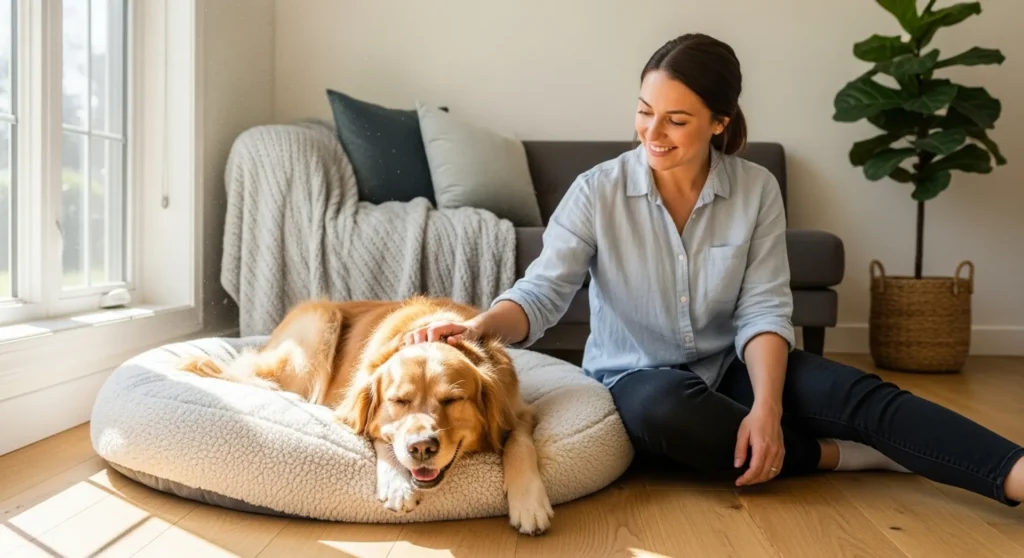
Your home is your dog’s safe space. The familiar scents, sounds, and surroundings provide immediate comfort that no boarding facility can replicate. When a professional pet sitter cares for your dog at home, they eliminate the additional stress of a new environment.
Consistent Routine and Structure
Dogs with separation anxiety thrive on predictability. Professional pet sitters maintain your dog’s regular feeding schedule, walk times, play sessions, and even bedtime routines. This consistency helps reduce anxiety by providing a sense of security and normalcy.
At Meg’s Dog Sitting, we take detailed notes about your dog’s preferences, routines, and special needs to ensure seamless care that matches what they’re accustomed to receiving from you.
One-on-One Attention and Companionship
Unlike daycare facilities where attention is divided among many dogs, pet sitting provides focused, individualized care. Your dog receives undivided attention, affection, and engagement — exactly what they’re seeking when anxiety strikes.
This personalized approach helps build trust and provides the emotional support anxious dogs desperately need. Regular visits break up long stretches of alone time, preventing panic from building to unmanageable levels.
The Science Behind Why Pet Sitting Works

Research shows that gradual desensitization and positive reinforcement are the most effective treatments for separation anxiety. Professional pet sitting naturally incorporates both approaches.
When your dog learns that your departure doesn’t mean complete isolation — that a trusted caregiver will arrive with love, treats, and activities — their brain begins to form new, positive associations. Over time, this can significantly reduce anxiety levels.
The companionship provided during pet sitting visits also prevents the prolonged stress that occurs when anxious dogs are left alone for hours. Chronic stress releases cortisol, which can negatively impact your dog’s physical health and immune system. Regular pet sitting visits help keep stress hormones at manageable levels.
Specialized Care Strategies for Anxious Dogs
Experienced pet sitters employ specific techniques to help dogs with separation anxiety feel more secure:
Calm Arrivals and Departures
Professional sitters understand that low-key greetings and goodbyes help prevent anxiety spikes. We avoid over-exciting your dog during hellos and keep departures matter-of-fact and brief.
Mental and Physical Enrichment
A tired dog is often a calmer dog. Our pet sitting services include engaging walks, interactive play sessions, and puzzle toys that provide mental stimulation. These activities help channel anxious energy into positive outlets.
Positive Reinforcement Training
We reinforce calm, independent behavior with treats and praise. When your dog settles quietly or plays contentedly with toys, they receive rewards — teaching them that relaxation is beneficial.
Regular Communication and Updates
We provide photo updates and detailed reports after each visit, giving you peace of mind about your dog’s well-being. Knowing your pet is happy and cared for reduces your stress too — and dogs are incredibly perceptive of their owners’ emotional states.
Building Long-Term Confidence
Professional pet sitting isn’t just a temporary fix — it’s part of a comprehensive strategy to help your dog develop greater independence and confidence over time. As your dog experiences repeated positive interactions with their pet sitter, they learn that:
- Being without you doesn’t mean being abandoned
- Other trusted people can provide comfort and security
- Your departures always lead to your return
- Alone time (even short periods) can include positive experiences
This gradual conditioning helps many dogs become more resilient and less reactive to their owners’ comings and goings.
When to Combine Pet Sitting with Additional Support
While professional pet sitting is highly effective for many dogs with separation anxiety, severe cases may require additional interventions. We recommend consulting with your veterinarian or a certified animal behaviorist if your dog:
- Injures themselves during panic episodes
- Shows no improvement after several weeks of consistent pet sitting
- Exhibits extreme distress even with regular visits
- Has additional behavioral issues beyond separation anxiety
In these cases, pet sitting can complement behavior modification programs or anti-anxiety medications prescribed by your vet. The combination of professional care, training, and medical support often yields the best results.
Choosing the Right Pet Sitter for Your Anxious Dog

Not all pet sitters have experience with separation anxiety. When selecting a professional, look for:
- Experience with anxious or special-needs dogs — ask about their training and success stories
- Patience and compassion — anxious dogs require gentle, understanding caregivers
- Flexibility — the ability to adjust visit schedules and activities based on your dog’s needs
- Clear communication — regular updates and willingness to discuss concerns
- References and reviews — testimonials from other owners of anxious dogs
At Meg’s Dog Sitting, we specialize in providing loving, personalized care for dogs with special needs, including those struggling with separation anxiety. We understand that every dog is unique, and we tailor our approach to meet their individual requirements.
Taking the First Step Toward a Calmer, Happier Dog
If your dog’s separation anxiety has been causing stress and heartache for your family, professional pet sitting could be the solution you’ve been searching for. By providing consistent care in your dog’s familiar environment, maintaining their routine, and offering the companionship they crave, pet sitting addresses the root causes of separation anxiety.
The journey to helping your dog feel more secure takes time and patience, but with the right support, most dogs show remarkable improvement. You don’t have to navigate this challenge alone — professional pet sitters are here to partner with you in giving your dog the care, comfort, and confidence they deserve.